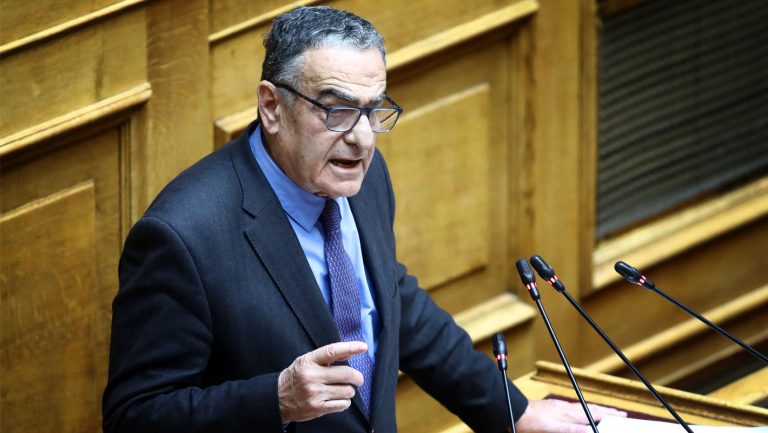
Μια δήλωση που προκάλεσε αίσθηση και άμεσα οδήγησε σε κύμα αντιδράσεων, φέρεται να έκανε ο Χαράλαμπος Αθανασίου, στρέφοντας τα πυρά του προς την Ευρωπαία Εισαγγελέα, Λάουρα Κοβέσι. Σύμφωνα με τις πληροφορίες, ο κ. Αθανασίου, μιλώντας σε κομματική εκδήλωση, προχώρησε σε μια ιδιαίτερα ανησυχητική εκτίμηση, υποστηρίζοντας ότι η παρουσία της Ευρωπαίας Εισαγγελέως στην Ελλάδα ενέχει τον κίνδυνο κατάργησης του ισχύοντος Συντάγματος. Η αδιανόητη αυτή τοποθέτηση, αν μη τι άλλο, εγείρει σοβαρά ερωτήματα σχετικά με την αντίληψη και την ερμηνεία ρόλων και αρμοδιοτήτων εντός του ευρωπαϊκού και εθνικού νομικού πλαισίου, δημιουργώντας ανησυχία για πιθανές παρερμηνείες ή σκοπιμότητες. Η ίδια η διατύπωση, με τον βαρύτατο χαρακτήρα της, έχει ήδη προκαλέσει ποικίλες συζητήσεις και προβληματισμούς στους πολιτικούς κύκλους και όχι μόνο, υπογραμμίζοντας την ανάγκη για σαφήνεια και ακρίβεια στις δημόσιες εκφράσεις, ειδικά όταν άπτονται θεμελιωδών θεσμικών δομών.
Αξίζει να σημειωθεί ότι, λίγο μετά την αρχική εκφώνηση των λόγων του, ο κ. Αθανασίου φέρεται να προέβη σε μια προσπάθεια «μαζέματος» των λεγομένων του, ανασκευάζοντας την αρχική του δήλωση. Συγκεκριμένα, γύρω από την επίμαχη φράση, εμφανίστηκε να δηλώνει ότι «δεν είπα αυτό», επιχειρώντας έτσι να μετριάσει τις έντονες αντιδράσεις και τις πιθανές αρνητικές συνέπειες της αρχικής του τοποθέτησης. Αυτή η σπουδή για διορθωτική κίνηση, ενώ από τη μία πλευρά δείχνει μια προσπάθεια αποφυγής περαιτέρω παρεξηγήσεων, από την άλλη ενισχύει την αίσθηση του αλαλούμ και δημιουργεί αμφιβολίες για την αρχική πρόθεση και την ακρίβεια της αρχικής θέσης, αφήνοντας κενά ερμηνείας για το τι πραγματικά εννοεί ο ομιλητής. Η όλη υπόθεση, πέραν του σοβαρού πολιτικού διακυβεύματος, θέτει ερωτήματα και για τη συνοχή της επικοινωνιακής στρατηγικής.
Η αρχική, δηλωτικά ακραία, τοποθέτηση, η οποία ακολούθως ανασκευάζεται, αφήνει ένα αποτύπωμα που είναι δύσκολο να διαγραφεί. Δημιουργείται πλέον η ανάγκη για περαιτέρω διευκρινίσεις, προκειμένου να κατανοηθεί πλήρως η θέση του κ. Αθανασίου σχετικά με τον ρόλο της Ευρωπαϊκής Εισαγγελίας και την αντίληψή του για τη συνταγματική τάξη της χώρας. Η αναφορά σε «κατάργηση του Συντάγματος» είναι μια διατύπωση εξαιρετικά βαριά, που χρήζει άμεσης και ξεκάθαρης απάντησης, ώστε να αποτραπούν φήμες και εικασίες. Το μέγεθος της αρχικής δήλωσης, σε συνδυασμό με την επακόλουθη σπουδή για περισυλλογή, δημιουργεί ένα αμφίρροπο τοπίο, όπου η αρχική πρόθεση δυσχεραίνεται να αναγνωριστεί με σαφήνεια. The controversy surrounding Mr. Charalampos Athanasiou’s remarks concerning the European Chief Prosecutor, Ms. Laura Kövesi, has ignited significant debate. Initially, Mr.
Athanasiou reportedly stated that Ms. Kövesi’s presence in Greece could lead to the “abolition of our Constitution.” This statement, deemed by many as audacious and alarming, immediately triggered a wave of criticism and concern. The implication of such a drastic constitutional upheaval, directly linked to the work of the European Public Prosecutor’s Office (EPPO), raised questions about the speaker’s understanding of constitutional law and the EPPO’s mandate. The very notion of a foreign judicial body’s representative posing a threat to a nation’s foundational legal document is a grave accusation that requires substantial evidence and clear justification, which, at the time of these remarks, was conspicuously absent. The gravity of such a claim, if left unchecked, could foster unnecessary public anxiety and undermine trust in established judicial processes and international cooperation.
Following the initial fallout and subsequent public outcry, reports indicate that Mr. Athanasiou attempted to retract or clarify his controversial statement. He is said to have commented, “That is not what I said,” in an apparent effort to mitigate the damaging impact of his words and perhaps disavow the extreme interpretation. This subsequent attempt to backtrack, however, did little to quell the furore, and in some circles, it may have even amplified the bewilderment. Such a sudden reversal often creates more questions than it answers, leaving onlookers to ponder the true intent behind the original pronouncement. The discrepancy between the initial strong accusation and the subsequent denial or minimization suggests a potential misstatement, a spontaneous outburst, or perhaps a strategic retraction in the face of expected censure.
The uncertainty surrounding the exact nature of his original intentions, coupled with the evasive follow-up, continues to fuel discussions and criticism regarding the responsible use of public discourse, especially when addressing sensitive institutional matters. This episode highlights a broader concern about the discourse surrounding fundamental legal and constitutional issues. The initial, strong assertion, followed by a partial retraction, leaves a lingering impression of an unbridled, perhaps ill-considered, outburst. It is imperative for public figures to exercise a high degree of accuracy and responsibility when making statements that touch upon the bedrock of a nation’s legal framework. The alleged suggestion that the mere presence of the European Prosecutor could instigate constitutional change is a deeply unsettling proposition. It underscores the critical need for precise communication and a thorough understanding of the roles played by national and supranational judicial bodies.
The effort to “walk back” the statement, while a common tactic in damage control, underscores the problematic nature of the initial utterance and its far-reaching implications for public perception and institutional respect. The public deserves clarity, not confusion, on such vital constitutional matters.