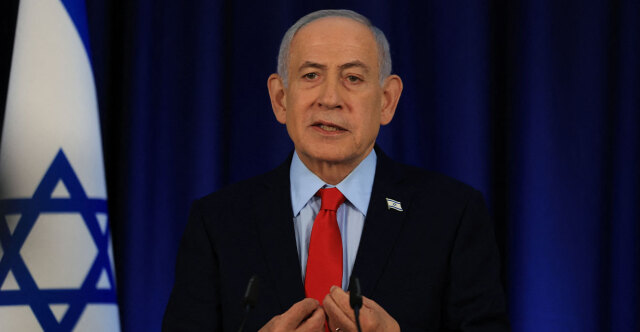
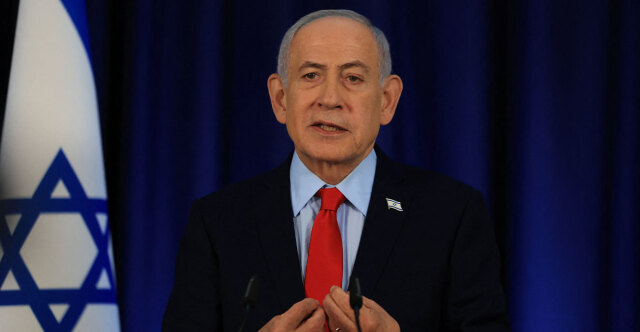
Μια έκτακτη σύσκεψη ασφαλείας, η οποία προέκυψε λόγω της κλιμακούμενης έντασης στα σύνορα με τον Λίβανο, οδήγησε στην αναγκαστική ακύρωση της προγραμματισμένης κατάθεσης του Ισραηλινού πρωθυπουργού Μπέντζαμιν Νετανιάχου στην πολύκροτη δίκη διαφθοράς που αντιμετωπίζει. Οι ανακοινώσεις από το γραφείο του πρωθυπουργού επιβεβαίωσαν ότι η ενασχόληση με τα κρίσιμα ζητήματα ασφαλείας, τα οποία τίθενται από τις διαρκείς αναφορές για παραβιάσεις της εκεχειρίας εκ μέρους της Χεζμπολάχ, καθιστούν αδύνατη τη μετάβαση του κ. Νετανιάχου στο δικαστικό μέγαρο. Η κατάσταση στην περιοχή χαρακτηρίζεται από αυξημένη νευρικότητα, με το Ισραήλ να κατηγορεί ευθέως τη σιιτική οργάνωση της Χεζμπολάχ για συνεχείς παρεμβάσεις και προκλήσεις που δυσχεραίνουν την ύπαρξη μιας βιώσιμης κατάπαυσης του πυρός, εγείροντας ανησυχίες για περαιτέρω κλιμάκωση. Την ίδια στιγμή, η ηγεσία της Χεζμπολάχ έχει εκφράσει κατηγορηματικά την απόρριψή της σε οποιαδήποτε μορφή απευθείας συνομιλίας ή διαπραγμάτευσης με την κυβέρνηση της Ιερουσαλήμ.
Η στάση αυτή, σε συνδυασμό με τις αδιάκοπες παραβιάσεις που καταγγέλλει το Ισραήλ, δημιουργεί ένα εκρηκτικό σκηνικό, καθιστώντας εξαιρετικά δύσκολη την εξεύρεση διπλωματικής λύσης ή την επίτευξη μιας στέρεης εκεχειρίας. Η ακύρωση της δικαστικής συνεδρίας υπογραμμίζει την εξαιρετικά ευαίσθητη γεωπολιτική συγκυρία που επικρατεί στην ευρύτερη περιοχή, όπου οι εντάσεις μεταξύ Ισραήλ και Λιβάνου βρίσκονται συνεχώς σε υψηλά επίπεδα, επηρεάζοντας την περιφερειακή σταθερότητα. The anacophi of the hearing has cast a shadow over the ongoing legal proceedings against Prime Minister Netanyahu, highlighting the precarious balance of power and the volatile security situation that currently defines the Israeli-Lebanese border. The Israeli authorities have been meticulous in documenting what they describe as systematic violations of the existing ceasefire agreement by Hezbollah, portraying the group as a constant source of instability.
These accusations are met with a defiant stance from Hezbollah, which has consistently refused to engage in direct dialogue, instead relying on proxies and indirect channels for communication, further complicating any potential de-escalation efforts. The gravity of the security concerns has therefore superseded immediate judicial obligations, underscoring the government’s priority in addressing immediate threats to national security. This unprecedented situation not only postpones crucial legal deliberations but also signals the heightened alert status within the Israeli security apparatus. The emergency security council convened to address the escalating tensions is expected to deliberate on a range of potential responses, from diplomatic pressure to more forceful military actions, should the provocations continue. The international community remains vigilant, observing the developments with concern, as any miscalculation or further escalation could have far-reaching consequences for regional peace and stability.
The refusal of direct talks by Hezbollah, coupled with persistent alleged violations, presents a significant hurdle for mediators attempting to broker a sustainable peace, leaving the region in a state of heightened anticipation and uncertainty regarding future developments. The complex interplay of legal battles and geopolitical crises facing Benjamin Netanyahu paints a picture of a leader under immense pressure from multiple fronts. While the judicial proceedings aim to hold him accountable for alleged corruption, the escalating security challenges demand his full attention and decisive leadership. The decision to prioritize the security meeting over his court appearance reflects the high stakes involved in the current standoff with Lebanon, a situation that has the potential to destabilize the entire region. The ongoing efforts to secure a lasting ceasefire are further hampered by the deep-seated mistrust and animosity between the parties, making any breakthrough appear increasingly distant.
The attention of both domestic and international observers is now firmly fixed on the outcome of these crucial security discussions and their implications for the future of the Middle East. In conclusion, the postponement of Prime Minister Netanyahu’s testimony serves as a stark reminder of the volatile dynamics at play in the Middle East. The alleged violations of the ceasefire by Hezbollah and their rejection of direct negotiations with Israel have created a tense atmosphere, prompting an emergency security summit. This development overshadows the legal proceedings, emphasizing the paramount importance of addressing the immediate security threats that loom over the region. The global community watches with bated breath, hoping for a de-escalation and a diplomatic resolution that can prevent further conflict and restore stability to this already fragile part of the world.