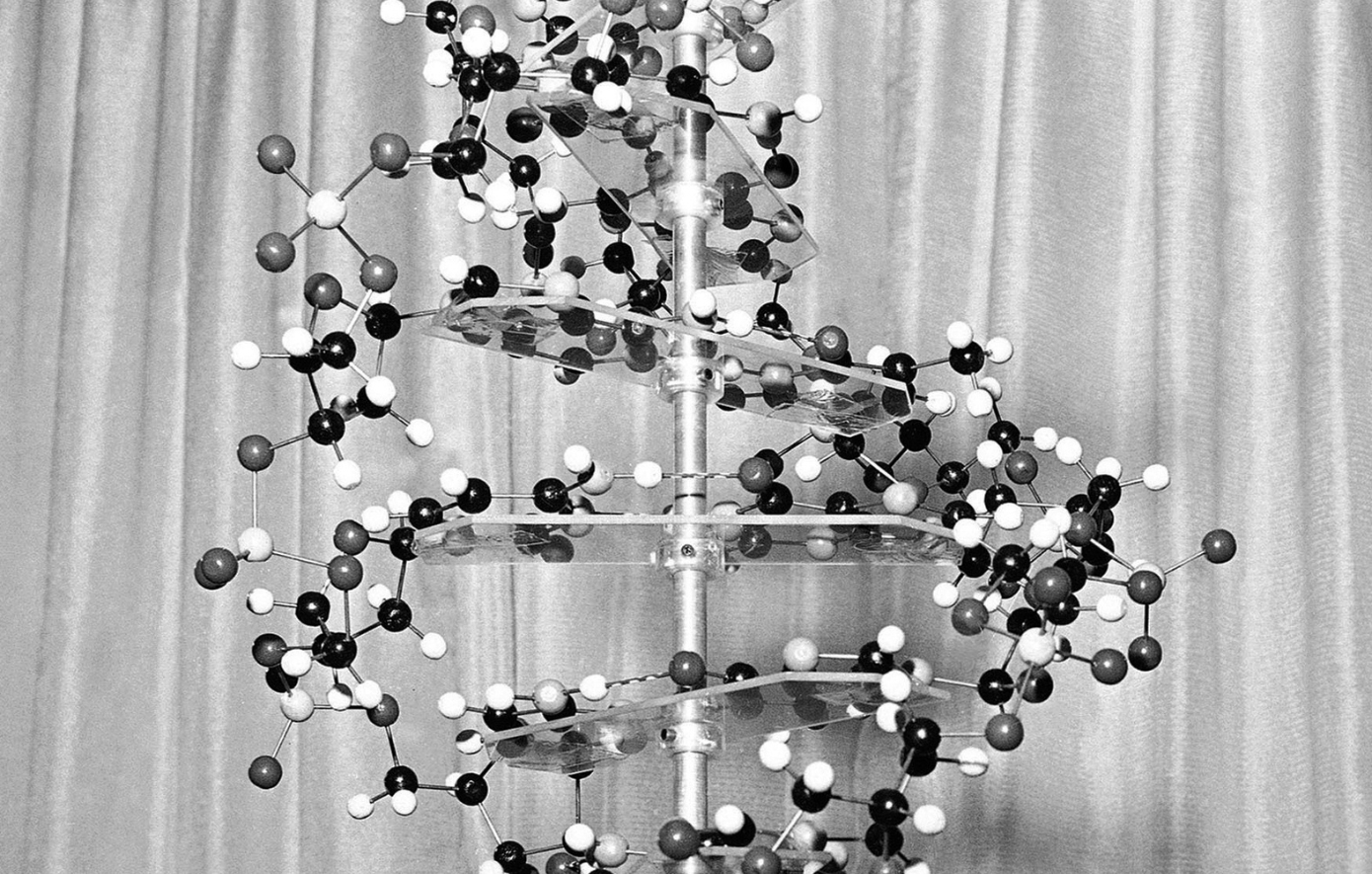
Στις 25 Απριλίου του 1953, η επιστημονική κοινότητα έλαβε γνώση ενός από τα πιο μνημειώδη επιτεύγματα της ανθρωπότητας: την αποκωδικοποίηση της δομής του DNA, του μορίου που φέρει το γενετικό κώδικα όλων των ζωντανών οργανισμών. Η δημοσίευση στο επιστημονικό περιοδικό Nature από τους James Watson και Francis Crick παρουσίασε το καθοριστικό μοντέλο της διπλής έλικας, ένα επίτευγμα που έθεσε τις βάσεις για τη σύγχρονη βιολογία και τη γενετική. Η κομψότητα της πρότασής τους δεν περιοριζόταν στην απεικόνιση της δομής, αλλά εξηγούσε με σαφήνεια πώς το DNA επιτυγχάνει την ακριβή αντιγραφή του, μέσω της συμπληρωματικότητας των βάσεων – της αδενίνης με τη θυμίνη και της γουανίνης με την κυτοσίνη. Ωστόσο, η ιστορία αυτής της κοσμοϊστορικής ανακάλυψης δεν είναι πλήρης χωρίς την αναφορά στην ουσιαστική συμβολή της Rosalind Franklin.
Οι κρυσταλλογραφικές φωτογραφίες της, γνωστές ως “Photo 51”, παρείχαν τα κρίσιμα δεδομένα που βοήθησαν τον Watson και τον Crick να διαμορφώσουν το μοντέλο τους. Παρά τη θεμελιώδη συνεισφορά της, η Franklin δεν έλαβε ποτέ την αναγνώριση που της άξιζε κατά τη διάρκεια της ζωής της, ένα γεγονός που υπογραμμίζει τις προκλήσεις που αντιμετώπιζαν οι γυναίκες στην επιστημονική κοινότητα εκείνη την εποχή. Η δουλειά της, αν και μη αναγνωρισμένη διεθνώς σε πρώτο χρόνο, είναι αναπόσπαστο κομμάτι του παζλ που οδήγησε στην πλήρη κατανόηση της ζωτικής σημασίας του DNA. The groundbreaking publication in Nature, while celebrating the brilliance of Watson and Crick, inadvertently highlighted a persistent imbalance in scientific recognition. The intricate details of DNA’s double helix structure, meticulously captured through Franklin’s X-ray diffraction techniques, were instrumental in confirming their theorized model.
This elegant spiral staircase of life, responsible for encoding genetic information from one generation to the next, was finally visualized in a way that unlocked its secrets. The very mechanism of replication, where base pairs connect with unparalleled precision, was elegantly explained, paving the way for unprecedented advancements in medicine, agriculture, and our understanding of evolutionary biology. The implications of the double helix discovery extend far beyond theoretical biology, touching upon virtually every facet of life sciences. It laid the groundwork for deciphering the human genome, leading to breakthroughs in personalized medicine, the development of genetic therapies, and a deeper understanding of numerous diseases. The ability to read and manipulate genetic material has opened up new frontiers in research, allowing scientists to explore the complexities of inheritance, gene expression, and the very essence of what makes each organism unique.
The elegant simplicity of the A-T and G-C pairing remains a cornerstone of molecular biology, a testament to the profound impact of this singular scientific breakthrough. Despite the undeniable triumph, the narrative surrounding the DNA discovery serves as a poignant reminder of the often-unseen contributions, particularly those of women in science. Rosalind Franklin’s dedication and meticulous experimental work provided the visual evidence that was indispensable for the final model. Her early death meant she could not share in the Nobel Prize awarded for this work, a fact that continues to spark discussions about gender equality and fair attribution in scientific endeavors. Her legacy, though initially overshadowed, is now widely acknowledged, pushing for a more inclusive and comprehensive historical perspective on one of humanity’s greatest scientific journeys.
The publication of the DNA double helix model on April 25, 1953, marked a pivotal moment in the history of science, forever altering our perception of life’s fundamental building blocks. Watson and Crick’s collaborative genius, fueled by crucial data from Franklin’s diffraction images, provided the world with a blueprint for genetic inheritance. This revelation not only explained the transmission of traits but also unveiled the molecular basis of evolution and the potential for manipulating life’s code. The elegance of the double helix structure immediately suggested a mechanism for its own replication, a key insight that propelled the field of molecular genetics toward rapid expansion and innovation.