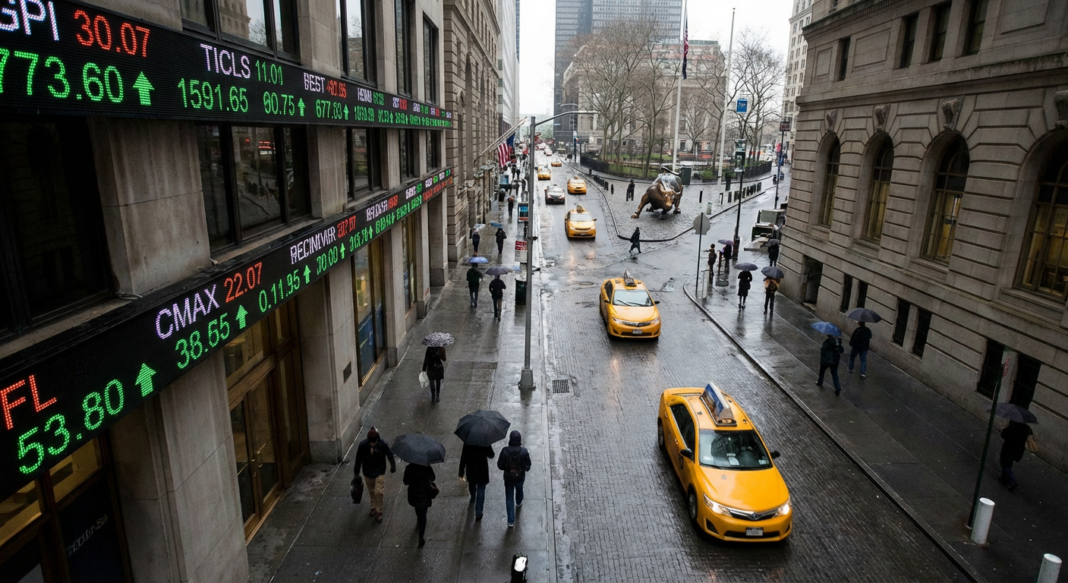
Η Wall Street έδωσε σήμερα μια ανακούφιση στους επενδυτές, καθώς οι τρεις βασικοί χρηματιστηριακοί δείκτες – Dow Jones, S&P 500 και Nasdaq Composite – έκλεισαν με θετικό πρόσημο. Αυτή η ανοδική κίνηση ήρθε ως απάντηση σε ένα παρατεταμένο διάστημα πιέσεων και αβεβαιότητας που επικρατούσε τις προηγούμενες εβδομάδες, όπου οι αγορές έδειχναν αδυναμία να βρουν σταθερότητα. Η προσπάθεια για ανάκαμψη είναι εμφανής, ωστόσο, ένας κρίσιμος παράγοντας προβληματισμού παραμένει ο χαμηλός όγκος των συναλλαγών. Αυτό υποδηλώνει ότι η συμμετοχή των επενδυτών ήταν περιορισμένη, περιορίζοντας την ισχύ και τη βεβαιότητα της νέας ανοδικής πορείας. Η απουσία ισχυρής επενδυτικής ζήτησης μπορεί να αφήσει την αγορά ευάλωτη σε απρόσμενες αναστροφές. Στην αντίπερα όχθη, η αγορά πετρελαίου παρουσίασε μια αξιοσημείωτη υποχώρηση, γεγονός που προσθέτει μία ακόμη διάσταση στην πολυπλοκότητα του παγκόσμιου οικονομικού σκηνικού.
Η πτώση των τιμών του “μαύρου χρυσού” μπορεί να επηρεάσει τόσο τους ενεργειακούς κολοσσούς όσο και ευρύτερα τις βιομηχανικές παραγωγές, αλλά και να σηματοδοτήσει μια πιθανή επιβράδυνση της παγκόσμιας ζήτησης. Η ανάλυση της σχέσης μεταξύ της διαπραγμάτευσης του πετρελαίου και της απόδοσης των μετοχών είναι ζωτικής σημασίας για την κατανόηση των συνολικών τάσεων. Η αντίθεση μεταξύ μιας θετικής κίνησης σε ορισμένους δείκτες και της πτώσης των εμπορευμάτων υπογραμμίζει την πολυπλοκότητα και τις διασυνδέσεις εντός των διεθνών χρηματοπιστωτικών αγορών. The Wall Street, after weeks of significant pressure and investor caution, is attempting to regain its footing with a much-needed uptick across its major indices. The Dow Jones Industrial Average, the S&P 500, and the tech-heavy Nasdaq Composite all closed in positive territory, signaling a potential shift in market sentiment.
This recovery effort is being closely watched by analysts and investors alike, who are eager to see if this upward momentum can be sustained. However, a key concern tempering the optimism is the distinctly low trading volume that accompanied these gains. This lack of robust participation suggests that institutional investors and retail traders alike are still hesitant to fully commit, raising questions about the underlying strength and conviction behind this renewed buying interest. The market seems to be treading carefully, balancing the desire for a rebound with lingering economic uncertainties and potential headwinds. Simultaneously, the global oil market experienced a notable decline, adding another layer of complexity to the evolving economic landscape. A drop in crude oil prices can have far-reaching implications, affecting everything from energy company profits to inflation rates and consumer spending.
This downward price movement in a crucial commodity could be interpreted in various ways, potentially signaling a slowdown in global manufacturing demand, or it could be driven by specific supply-side factors or geopolitical developments. The interplay between the performance of equities and the price of oil is a classic indicator of broader economic health, and this divergence or correlation often provides valuable insights into investor sentiment and the overall direction of market trends. Understanding these interconnected movements is crucial for a comprehensive financial outlook. The current market environment on Wall Street, characterized by a rebound in stock prices but subdued trading activity, reflects a cautious optimism tempered by underlying economic uncertainties. The inability of the market to generate significant trading volume alongside its price gains suggests that many market participants are adopting a wait-and-see approach.
This could be due to a variety of factors, including ongoing concerns about inflation, the trajectory of interest rate hikes by central banks, and geopolitical tensions that continue to cast a shadow over global economic stability. Investors are likely scrutinizing economic data releases and central bank commentary for clearer signals about the future path of the economy and monetary policy, leading to a period where short-term gains may not necessarily translate into a sustained bull run without stronger confirmation. The energy sector, in particular, is navigating its own set of challenges, with fluctuations in oil prices impacting investment decisions and sector-specific performance. Looking ahead, the resilience of the Wall Street recovery will heavily depend on its ability to attract broader investor participation and overcome the hesitance currently in play.
A sustained increase in trading volume would lend more credibility to the recent uptrend, indicating a growing conviction among market participants. Simultaneously, developments in the commodity markets, particularly the price of oil, will continue to be a key barometer of global economic health and demand. The coming days and weeks will be crucial in determining whether this current uptick represents a genuine turning point or a temporary reprieve before further turbulence. Investors will be closely monitoring macroeconomic indicators, corporate earnings reports, and any pronouncements from major central banks to gauge the prevailing economic winds and adjust their strategies accordingly, seeking to capitalize on opportunities while mitigating potential risks in this complex financial environment.